-
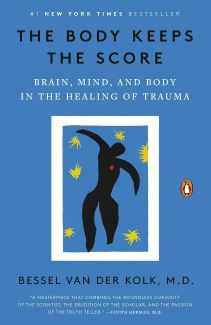 by Bessel van der Kolk M.D. Trauma is a fact of life. Veterans and their families deal with the painful aftermath of combat; one in five Americans has been molested; one in four grew up with alcoholics; one in three couples have engaged in physical violence. Dr. Bessel van der Kolk, one of the world’s foremost experts on trauma, has spent over three decades working with survivors. In The Body Keeps the Score, he uses recent scientific advances to show how trauma literally reshapes both body and brain, compromising sufferers’ capacities for pleasure, engagement, self-control, and trust. He explores innovative treatments—from neurofeedback and meditation to sports, drama, and yoga—that offer new paths to recovery by activating the brain’s natural neuroplasticity. Based on Dr. van der Kolk’s own research and that of other leading specialists, The Body Keeps the Score exposes the tremendous power of our relationships both to hurt and to heal—and offers new hope for reclaiming lives.
 -
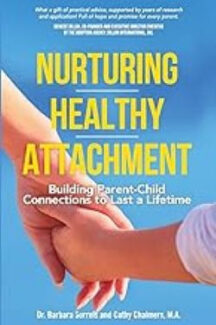
 by Dr. Barbara Sorrels and Cathy Chalmers, M.A. Once you understand attachment, parenting makes a lot more sense. The basics of child development, and the importance of attachment, will equip you to create meaningful and secure relationships that last a lifetime. You’ll discover:
- What is healthy attachment How to nurture connection in various ages and stages
- The crucial differences between punishment and discipline
- How child development research aligns with biblical truth
-
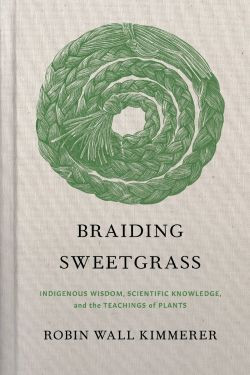 by Robin Wall Kimmerer Drawing on her life as an indigenous scientist, and as a woman, Kimmerer shows how other living beings―asters and goldenrod, strawberries and squash, salamanders, algae, and sweetgrass―offer us gifts and lessons, even if we've forgotten how to hear their voices. In reflections that range from the creation of Turtle Island to the forces that threaten its flourishing today, she circles toward a central argument: that the awakening of ecological consciousness requires the acknowledgment and celebration of our reciprocal relationship with the rest of the living world. For only when we can hear the languages of other beings will we be capable of understanding the generosity of the earth, and learn to give our own gifts in return.
 -
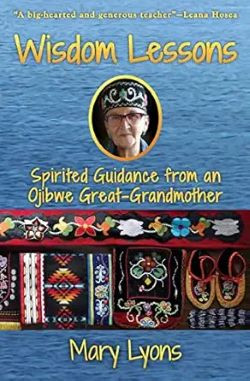 by Mary Lyons WISDOM LESSONS, by Ojibwe Great-grandmother Mary Lyons, is the culmination of a lifetime steeped in indigenous spiritual traditions, as well as the proverbial school of hard knocks. At once plainspoken and lyrical, Grandmother Mary offers invaluable lessons for anyone interested in living in alignment with their higher self. A spiritual advisor, storyteller and wisdom keeper, she travels and teaches internationally, with a focus on healing children, families and communities from the negative effects of alcohol and drug addiction. After her own recovery, guided by her ancestors, she has dedicated her life to helping others, fostering and adopting many children with family problems, disabilities and fetal alcohol syndrome.
 -
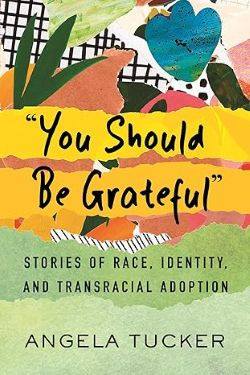 by Angela Tucker An adoption expert and transracial adoptee herself examines the unique perspectives and challenges these adoptees have as they navigate multiple cultures “Your parents are so amazing for adopting you! You should be grateful that you were adopted.” Angela Tucker is a Black woman, adopted from foster care by white parents. She has heard this microaggression her entire life, usually from well-intentioned strangers who view her adoptive parents as noble saviors. She is grateful for many aspects of her life, but being transracially adopted involves layers of rejection, loss, and complexity that cannot be summed up so easily. In “You Should Be Grateful,” Tucker centers the experiences of adoptees to share deeply personal stories, well-researched history, and engrossing anecdotes from mentorship sessions with adopted youth. These perspectives challenge the fairy-tale narrative of adoption, giving way to a fuller story that explores the impacts of racism, classism, family, love, and belonging.
 -
 by Jaiya John Jaiya John follows up his books Daughter Drink This Water, and, Freedom, with this aromatic delight for your soul. Fragrance After Rain is a sensitive, hopeful, intimate movement through your many seasons of tenderness, and the beautiful meaning and grace that grow from that fertile ground. If you love Rumi, Hafez, Gibran, and other classic mystic poets, here is your honey jar. This book is pregnant with balm and salve so personal and intuitively attuned, you will be certain the words were birthed just for you. Sustenance as you live through your personal moments, and through the collective moods of the world. Fragrance is a free flowing melody of petite stories and mystic whispers, a wildflower meadow you may enjoy wherever you lay yourself within it for a moment and breathe beautifully. These inspirational pieces are entirely liberated from chapters and sections, freely roaming, drifting on spirit breeze as they wish. Each word-bouquet is gathered and growing according to the sunlight, soil, and water of Love's orchestral conducting. Open this book, turn to a page, let your eyes arrive to any brief orchard of words, and allow your heart to taste the fruit and meet its craving. Whatever words you meet are the words you need in the moment. In this Fragrance story, the one who speaks, is spoken to, and is spoken about is you, BeLoved. All of this is you. This is a book of bright clouds in the sky of your life. Bringing you beauty, meaning, the downy reflection of sunlight, life-replenishing rain, and a sweet fragrance thereafter. Walk, dance, sing, and repose yourself through this aromatic pasture, and feel a peace that is both medicine and music for your soul. Be careful, dear Lover. If you sip these words slowly and savor their essence, you may become a mystic.
 -
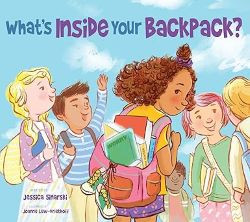 Teach Resilience and Practical Strategies to Cope with Trauma by Jessica Sinarski, illustrated by Joanne Lew-Vriethoff All around us, children are carrying backpacks that are heavy with more than just textbooks. Each day, they also bear the weight of difficult life experiences and intense feelings. Zoey Harmon just wants to feel light-hearted and carefree. Unfortunately, she keeps getting weighed down by pesky "books" in her backpack, like Worry and Shame. Much to her surprise, she's not the only one! Zoey learns that the adults in her life deal with difficult feelings too! Luckily, they have some ideas that can help her set aside the books she's not meant to carry. Will it be enough to help her unload the heaviest book of all? "You look a little worried, kiddo," Zoey's mom said, giving her a squeeze. "Sometimes I need a bright thought to help me when I'm feeling upset. Here, try this." She slid a bookmark into Zoey's hand. Zoey looked down and read: Imagine with Hope. "What's this?" asked Zoey. "When we don't know what to expect, worry wants us to imagine with fear, to think about all the worst possibilities. This is a little reminder I use to think of the good things that might happen when I imagine with hope instead." While there are no quick fixes for all of life's complex problems, What's Inside Your Backpack? highlights some of the ways we can nurture resilience in body and mind. Using the metaphor of books and bookmarks, author Jessica Sinarski offers gentle, effective strategies to help children impacted by trauma. By sharing their burdens with people they trust, kids can lighten their load and realize just how strong and courageous they really are!
 -
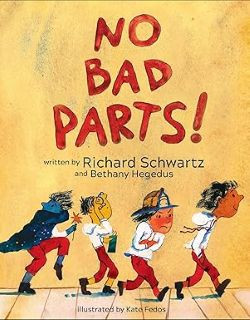 A young boy learns to validate and accept his feelings as he comes to understand the different parts of himself. by Richard Schwartz, Ph.D. and Bethany Hegedus; illustrated by Kate Fedos As a boy goes through his day, he encounters all sorts of people and experiences. He reacts differently depending on the situation. Whether it’s The Manager who takes charge and organizes, The Exile who makes himself small and disappears, or The Firefighter who employs a lot of noise and distractions, each of these “parts” is useful in helping him cope. Based on the popular teachings of the Internal Family Systems (IFS) model of therapy developed by Dr. Richard Schwartz, this book is not only a great introduction to our feelings and behaviors but a way for all kids to talk about what they are experiencing. Children will learn to accept all parts of themselves and understand that within us there are no bad parts!
 -
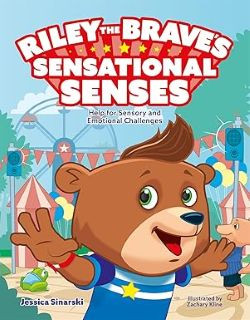
by Jessica Sinarski, illustrated by Zachary Kline Riley the Brave is a little bear with big feelings. He really wants to have fun at the fair, but sometimes he struggles just making it to school, especially on the STINKY, BUMPY, NOISY bus! It is hard for Riley to focus and have fun when he is feeling so many confusing sensations! He has porcupine moments and grumps at his friends, or turtle moments when he just wants to be alone. He even had a tiger moment, roaring at his teacher. With all these big feelings, how can he ever go to the fair? Riley the Brave's Sensational Senses teaches children about their senses through a playful story with real-life strategies for emotion regulation. It also features an educational afterword for grown-ups that explains our eight senses and includes tips for getting the most out of the book.
-
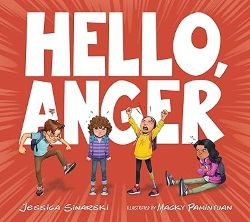 Teach Kids to Figure Out Why They are Mad by Jessica Sinarski, illustrated by Macky Pamintuan What can you do when your feelings get the best of you? The students at Sunnyvale Elementary carry a lot in their backpacks - including some things you can't see quite so well, like big feelings and confusing emotions. Today, one fiery red book keeps spilling out and exploding onto everyone: ANGER! It's time for the kids to use their best detective skills to figure out what's underneath those angry feelings. Ana feels HURT when her friends don't play fair. Ben feels EMBARRASSED when he makes a mistake. Grace feels DIFFERENT when nobody chooses her for their team. When our feelings get the best of us, we need to do our best with our feelings. Become a backpack detective like Ana, Ben, and Grace! "Stop when I'm furious. Pause and be curious. What is underneath the mad? Am I lonely, stressed, or sad?"
 -
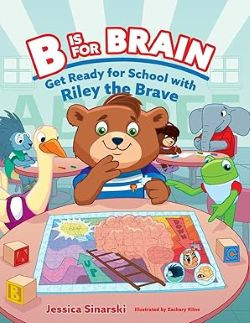
by Jessica Sinarski This isn't your average ABC book! It's not just for learning letters. B Is for Brain teaches kids how to name emotions, handle hard moments, and get ready for all that school has to offer. From Light Up the Learning Brain author, Jessica Sinarski, comes a playful alphabet adventure that helps children build the emotional smarts they need to thrive in the classroom and beyond. Familiar friends from Riley the Brave are back in this joyful read-aloud that nurtures confidence, curiosity, and even that oh-so-difficult skill of self-control. Ideal for ages 3-5 and the adults helping them grow.
-
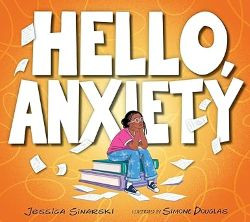 Help Kids Build Self-Confidence and Resilience by Jessica Sinarski, illustrated by Simone Douglas Destiny Davis carries more than just schoolbooks in her backpack. Her constant companion, Anxiety, makes everyday tasks feel impossibly hard. But when a big class project sends Destiny into a full-blown spiral, her dad steps in with a surprising solution - and a reminder that even the toughest challenges can be faced head on. This heartwarming story will help kids:
- Understand the brain science behind anxiety
- Experiment with helpful coping strategies
- Build self-confidence and resilience