- 5.2-oz 50/50 carded ringspun cotton/polyester jersey blend for a soft, breathable feel
- Moisture-wicking to keep you cool no matter the forecast
- Rib-knit crewneck collar and shoulder-to-shoulder taping for comfort and durability
-

 “I Survived ATTACh 2025” Premium T-Shirt Did you brave the elements at ATTACh’s 2025 Conference in Nashville, TN? By popular demand we have designed our ATTACh 2025 "Inclement Weather Edition" T-Shirt – a lighthearted nod to the unforgettable weather that tried (but failed!) to dampen our spirits at this year’s conference. Whether you were caught in the downpour, dodging wind gusts, or huddled in the ballroom, this shirt commemorates the shared experience with humor and heart. Crafted from Jerzees® Premium Blend fabric, this shirt is built to last – just like you.
 -
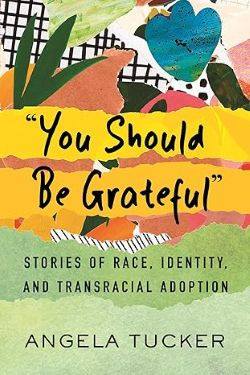 by Angela Tucker An adoption expert and transracial adoptee herself examines the unique perspectives and challenges these adoptees have as they navigate multiple cultures “Your parents are so amazing for adopting you! You should be grateful that you were adopted.” Angela Tucker is a Black woman, adopted from foster care by white parents. She has heard this microaggression her entire life, usually from well-intentioned strangers who view her adoptive parents as noble saviors. She is grateful for many aspects of her life, but being transracially adopted involves layers of rejection, loss, and complexity that cannot be summed up so easily. In “You Should Be Grateful,” Tucker centers the experiences of adoptees to share deeply personal stories, well-researched history, and engrossing anecdotes from mentorship sessions with adopted youth. These perspectives challenge the fairy-tale narrative of adoption, giving way to a fuller story that explores the impacts of racism, classism, family, love, and belonging.
 -
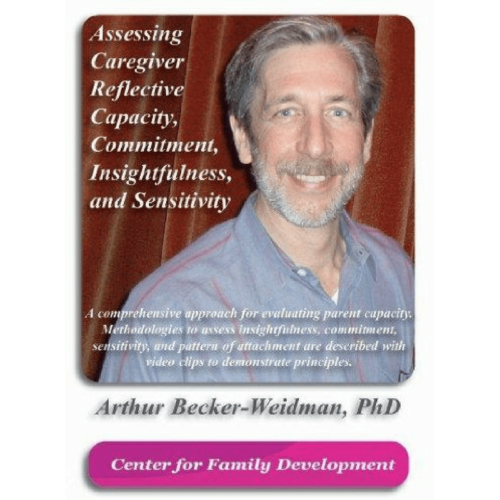 Arthur Becker-Weidman, PhD This two-DVD set (approximately three hours) explains how to assess children for Complex Trauma and disorders of attachment. The set contains:
- Introduction and overview of Complex Trauma and Disorders of Attachment
- Complex Post Traumatic Stress Disorder defined
- Effects of trauma on development
- Domains of impairment caused by trauma
- Differential diagnosis
- Video tape of children being assessed
- Useful tests and measures such as the Attachment Story Completion Test and others
- Complete PowerPoint Presentation slides.
-
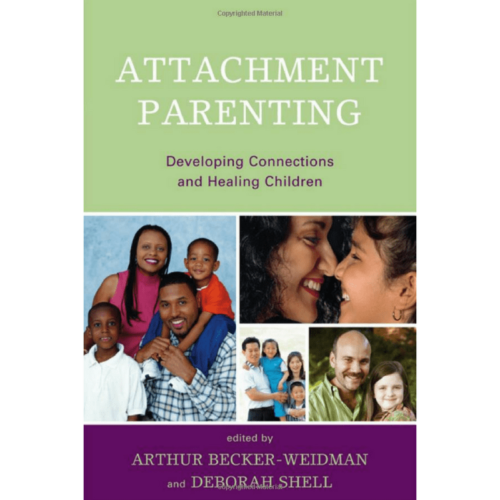 Editors Arthur Becker-Weidman, Ph.D. & Deborah Shell, MA Attachment Parenting describes a comprehensive approach to parenting children who have a history of neglect, abuse, orphanage care, or other experiences that may interfere with the normal development of attachment between parent and child. Grounded in attachment theory, Attachment Parenting gives parents, therapists, educators, and child-welfare and residential-treatment professionals the tools and skills necessary to help these children.... Buy on Amazon
 -
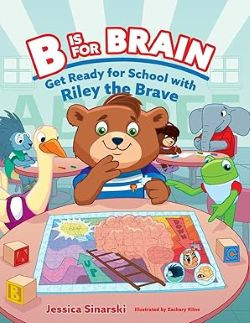
by Jessica Sinarski This isn't your average ABC book! It's not just for learning letters. B Is for Brain teaches kids how to name emotions, handle hard moments, and get ready for all that school has to offer. From Light Up the Learning Brain author, Jessica Sinarski, comes a playful alphabet adventure that helps children build the emotional smarts they need to thrive in the classroom and beyond. Familiar friends from Riley the Brave are back in this joyful read-aloud that nurtures confidence, curiosity, and even that oh-so-difficult skill of self-control. Ideal for ages 3-5 and the adults helping them grow.
-
 by Joe Brummer & Margaret Thorsborne Maybe you have heard the terms 'trauma-informed' and 'restorative' - but how do you go about becoming a trauma-informed, restorative educator? This practical book outlines the values, ideas and neuroscience behind trauma-informed restorative practice and its proven effectiveness. It clearly explains key theories relating to shame, trauma and your autonomic nervous system, and explains how to apply this knowledge in practice. Examples and stories of restorative practice feature throughout to inspire and emulate, as do practical protocols, tools and systems to develop your skills as a trauma-informed educator. Critically, it also explains the personal and professional qualities you need to nurture to truly engage in trauma-informed, restorative practice, with reflection points to aid learning and self-development. Read this book and take your first steps to creating a trauma-informed, restorative classroom - even if your school isn't doing it!
 -
 by Robin Wall Kimmerer Drawing on her life as an indigenous scientist, and as a woman, Kimmerer shows how other living beings―asters and goldenrod, strawberries and squash, salamanders, algae, and sweetgrass―offer us gifts and lessons, even if we've forgotten how to hear their voices. In reflections that range from the creation of Turtle Island to the forces that threaten its flourishing today, she circles toward a central argument: that the awakening of ecological consciousness requires the acknowledgment and celebration of our reciprocal relationship with the rest of the living world. For only when we can hear the languages of other beings will we be capable of understanding the generosity of the earth, and learn to give our own gifts in return.
 -
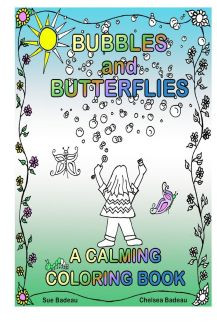
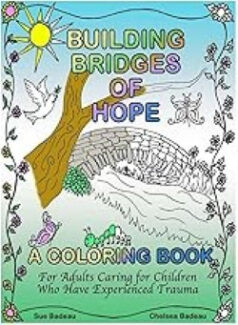
by Sue Badeau, illustrated by Chelsea Badeau
-
 by Sue Badeau, illustrated by Chelsea Badeau “Building Bridges of Hope” is a coloring book for adults caring for children who have experienced trauma. Within these pages you will find whimsical, calming and inspiring artwork to color while learning about the short and long term effects of trauma on children and what you can do to make a difference. The text pages, facing each of the art pages, provide effective strategies, tips and tools for helping children as they journey from the pain, confusion and stress often associated with trauma to the hope and well-being associated with healing. The author/illustrator team also has a companion book for children entitled Bubbles & Butterflies. Drawing from her academic background in child development, professional experiences in the child welfare and juvenile justice systems and personal experience raising 22 children, many of whom experienced significant early life trauma, Sue offers a unique combination of clinical and research-based expertise with practical, down-to-earth approaches that busy parents can implement with minimal investment of time and money. The lessons, strategies and activities suggested in this book have been tried and tested by parents, caregivers and professionals from diverse backgrounds and all walks of life. Throughout the book, research and resources are highlighted. Citations and more information about all of the resources mentioned can be found at the end of the book. The simple artwork has been designed to seed and inspire the reader’s own creativity. Several blank pages have been included where you can respond to the messages in the text with ideas and images of your own. Pulling together her own unique designs with artwork created by several of her siblings and nieces, artist Chelsea Badeau draws on her professional background in the communications arena and years of community service with children to create a unified collection of healing images.
 -
 Robbie Adler-Tapia & Carolyn Settle This treatment manual provides a simple and practical way to use the EMDR scripts, protocols, and forms in psychotherapy with children and adolescents that are detailed in the book EMDR and the Art of Psychotherapy with Children. The manual was derived from the EMDR Fidelity Research Manual for children, which was created by these authors. By using a standard treatment protocol for providing EMDR psychotherapy for children and by conducting pre- and post-treatment assessments, therapists can also conduct their own study of treatment outcomes. In additional to contributing to research, the manual is beneficial to the therapist and the client in order to monitor treatment progress and outcomes. Buy on Amazon
 -
 by Robbie Adler-Tapia (Author), Robbie - Adler-Tapia PhD (Editor) Expanded to include EMDR therapy with infants to adolescents, this updated and revised manual--the only resource of its kind--accompanies the new second edition of the widely praised foundational text, EMDR and the Art of Psychotherapy With Children. The manual distills simple and practical ways to employ EMDR therapy scripted protocols and forms to effectively utilize the entire EMDR therapy eight-phased treatment with infants, toddlers, young children, preteens, and teens from a developmental perspective. It is organized in accordance with the book and provides step-by-step directions, session protocols, scripts, and forms for each phase of the protocol, along with instructions for integrating techniques and tools from play, art, sand tray, and other helpful therapies. The manual mirrors revisions to the text including changes to the phases of EMDR therapy and target identification and the integration of developmental theory into EMDR therapy for use with infants to adolescents. Additional revisions include coverage of new specialties and updated protocols, the presentation of breakthrough narrative concepts, new resources and scripts, guidance for the use of EMDR therapy with specialty populations, and new case studies of infants, toddlers, preteens, and adolescents. The manual will greatly assist therapists in their goal of providing best practices for children in need of expert psychotherapy.