-
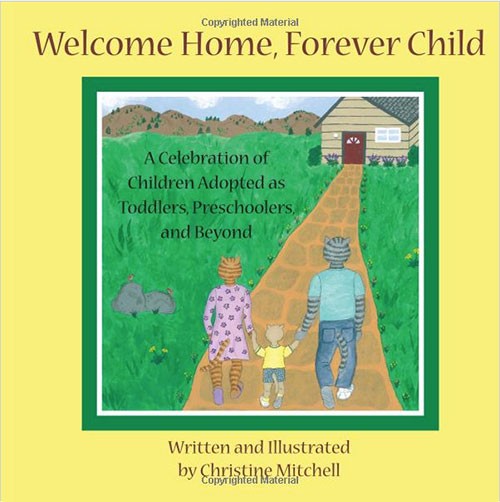 Buy on Amazon Finally....a book that genuinely celebrates a young child joining their forever family past infancy. With its touching message of love and reassurance, and whimsical illustrations, Welcome Home, Forever Child is sure to be cherished by children and parents alike. While best suited to children ages two to eight, this gem will undoubtedly be enjoyed by older children as well. Most children's adoption books reflect infant adoptions, and may not be appropriate for the older child who spent their early years in foster care or an orphanage. Welcome Home, Forever Child is a much needed book that social workers and therapists will want to recommend to families who adopted their child past the age of two. The book helps parents reassure children of their permanent place in the new family, and of how much they are wanted and loved. It will also make a very special and meaningful keepsake gift for a child upon joining his or her new family, upon finalizing the adoption, or upon the anniversary of either event.
 -
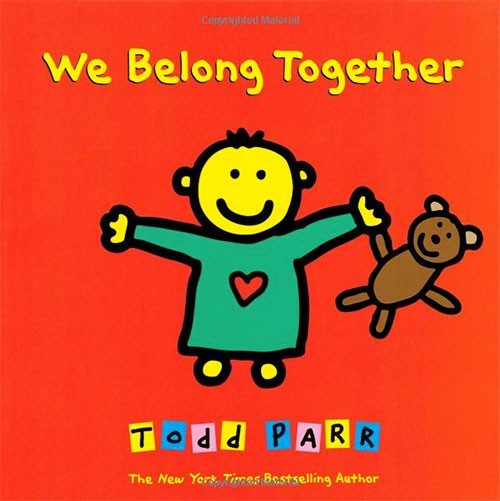 Todd Parr In a kid-friendly, accessible way, this book explores the ways that people can choose to come together to make a family. It's about sharing your home and sharing your heart to make a family that belongs together. Buy on Amazon
 -
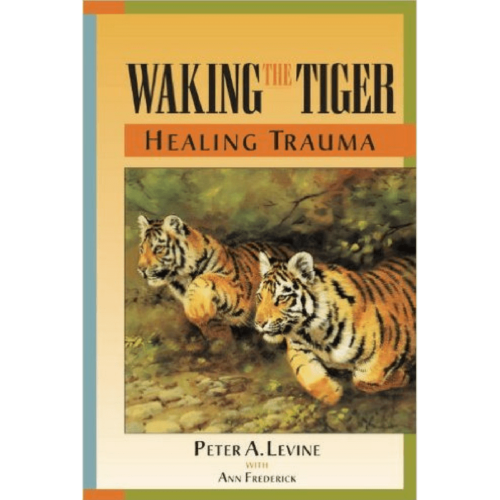 Peter A. Levine with Ann Frederick Nature's Lessons in Healing Trauma... Waking the Tiger offers a new and hopeful vision of trauma. It views the human animal as a unique being, endowed with an instinctual capacity. It asks and answers an intriguing question: why are animals in the wild, though threatened routinely, rarely traumatized? By understanding the dynamics that make wild animals virtually immune to traumatic symptoms, the mystery of human trauma is revealed. Waking the Tiger normalizes the symptoms of trauma and the steps needed to heal them. People are often traumatized by seemingly ordinary experiences. The reader is taken on a guided tour of the subtle, yet powerful impulses that govern our responses to overwhelming life events. To do this, it employs a series of exercises that help us focus on bodily sensations. Through heightened awareness of these sensations trauma can be healed. Buy on Amazon
 -
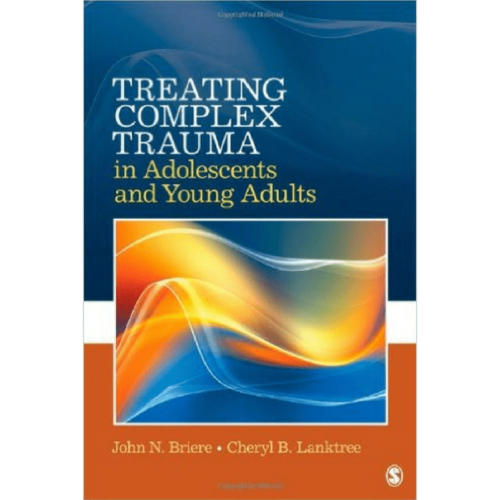 John N. Briere & Cheryl B. Lanktree Treating Complex Trauma in Adolescents and Young Adults is the first empirically-validated, multi-component manual to guide practitioners and students in the treatment of multi-traumatized adolescents and young adults. Best-selling author, John Briere, and renowned clinician, Cheryl Lanktree, outline a hands-on, culturally-sensitive approach to the most challenging of young clients: those suffering from complex trauma histories, multiple symptoms, and, in many cases, involvement in a range of problematic behaviors. This model, Integrated Treatment of Complex Trauma for Adolescents (ITCT-A), integrates a series of approaches and techniques, which are adapted according to the youth's specific symptoms, culture, and age. Components include relationship-building, psychoeducation, affect regulation training, trigger identification, cognitive processing, titrated emotional processing, mindfulness training, collateral treatments with parents and families, group therapy, and system-level advocacy. Buy on Amazon
 -
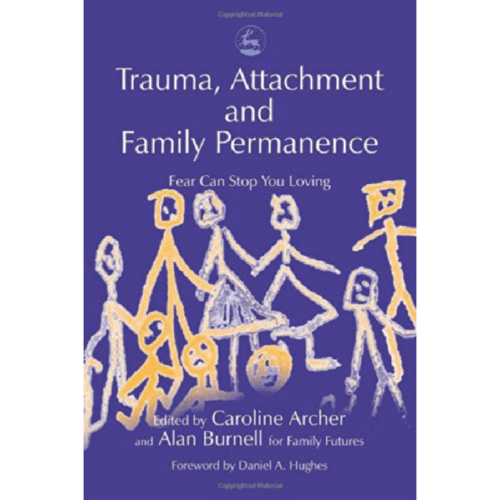 Caroline Archer Fostered and adopted children can present major challenges resulting from unresolved attachment issues and early traumatic experiences. In this much-needed book, the contributors provide a variety of complementary perspectives on the needs of these children and their families, focusing on ways of integrating attachment theory and developmental psychology into effective practice. Examining multiple aspects of work with children who are unable to live with their birth families, the book includes contributions on the assessment, preparation and support needs of children and families, attachment and the neurobiological effects of trauma, effective management of contact with birth families and developmental challenges in school settings. The use of creative arts therapies, alongside developmental reparenting strategies as part of a long-term attachment therapy 'package' are explored in some detail... Buy on Amazon
 -
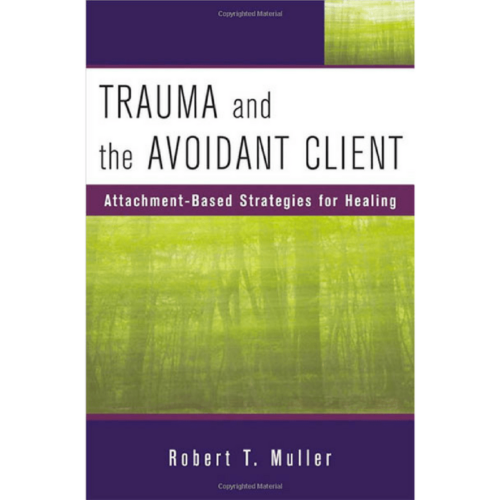 How to effectively engage traumatized clients, who avoid attachment, closeness, and painful feelings. A large segment of the therapy population consist of those who are in denial or retreat from their traumatic experiences. Here, drawing on attachment-based research, the author provides clinical techniques, specific intervention strategies, and practical advice for successfully addressing the often intractable issues of trauma. Buy on Amazon
 -
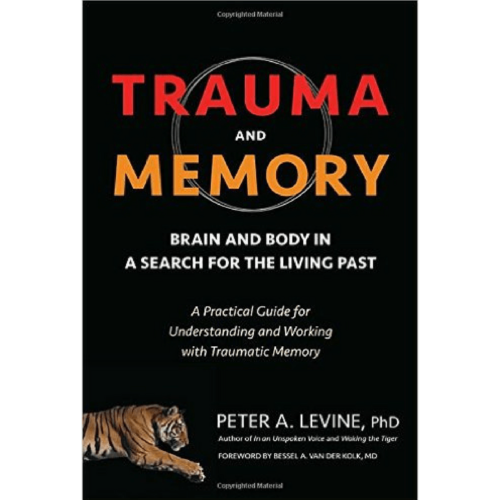 Peter A Levine In Trauma and Memory, bestselling author Dr. Peter Levine (creator of the Somatic Experiencing approach) tackles one of the most difficult and controversial questions of PTSD/trauma therapy: Can we trust our memories? While some argue that traumatic memories are unreliable and not useful, others insist that we absolutely must rely on memory to make sense of past experience. Building on his 45 years of successful treatment of trauma and utilizing case studies from his own practice, Dr. Levine suggests that there are elements of truth in both camps. While acknowledging that memory can be trusted, he argues that the only truly useful memories are those that might initially seem to be the least reliable: memories stored in the body and not necessarily accessible by our conscious mind. While much work has been done in the field of trauma studies to address "explicit" traumatic memories in the brain (such as intrusive thoughts or flashbacks), much less attention has been paid to how the body itself stores "implicit" memory, and how much of what we think of as "memory" actually comes to us through our (often unconsciously accessed) felt sense. By learning how to better understand this complex interplay of past and present, brain and body, we can adjust our relationship to past trauma and move into a more balanced, relaxed state of being. Written for trauma sufferers as well as mental health care practitioners, Trauma and Memory is a groundbreaking look at how memory is constructed and how influential memories are on our present state of being. Buy on Amazon
 -
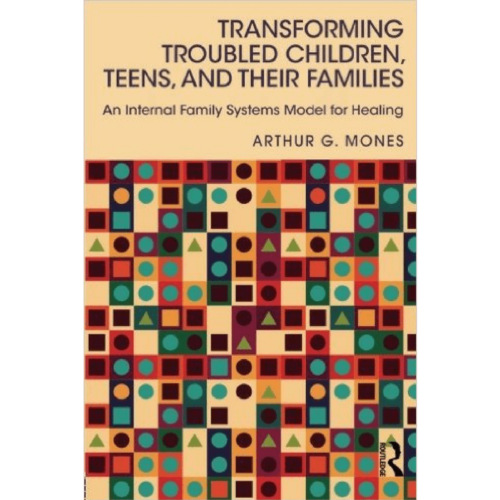 Arthur G. Mones In Transforming Troubled Children, Teens, and Their Families: An Internal Family Systems Model for Healing, Dr. Mones presents the first comprehensive application of the Internal Family Systems (IFS) Therapy model for work with youngsters and their families. This model centers diagnosis and treatment around the concept of the Functional Hypothesis, which views symptoms as adaptive and survivalbased when viewed in multiple contexts. The book provides a map to help clinicians understand a child’s problems amidst the reactivity of parents and siblings, and to formulate effective treatment strategies that flow directly from this understanding. This is a nonpathologizing systems and contextual approach that brings forward the natural healing capacity within clients. Dr. Mones also shows how a therapist can open the emotional system of a family so that parents can let go of their agendas with their children and interact in a loving, healthy, Self-led way. This integrative MetaModel combines wisdom from Psychodynamic, Structural, Bowenian, Strategic, Sensorimotor, and Solution-Focused models interwoven with IFS Therapy. A glossary of terms is provided to help readers with concepts unique to IFS. Unique to this approach is the emphasis on shifting back and forth between intrapsychic and relational levels of experience. Therapy vignettes are explored to help therapists address issues such as trauma, anxiety, depression, somatization, oppositional and self-destructive behavior in children, along with undercurrents of attachment injury. Two detailed cases are followed over a full course of treatment. A section on Frequently Asked Questions explores work with families of separation and divorce, resistance, the trajectory of treatment, dealing with anger, linking to twelve-step programs, and much more. This is an ideal book for any therapist in quest of understanding the essence of healing and seeking therapeutic strategies applied within a compassionate framework. Buy on Amazon
 -
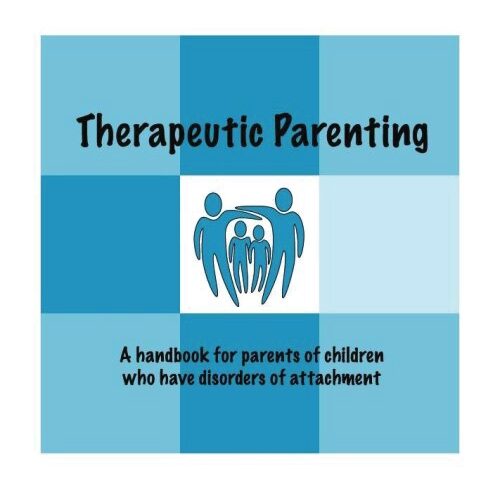 Developed specifically for parents and caregivers of children who have disorders of attachment, this guide is a great place to start for understanding treatment, terms and more.
 -
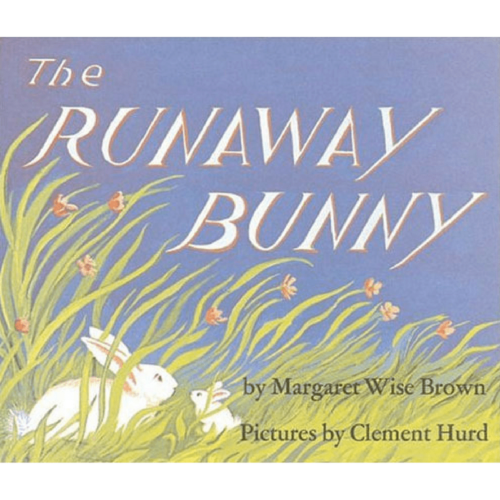 Margaret Wise-Brown A little bunny keeps runningaway from his mother in an imaginative and imaginary game of verbal hide-and-seek; children will be profoundly comforted by this lovingly steadfast mother who finds her child every time. The Runaway Bunny, first published in 1942 and never out of print, has indeed become a classic. Generations of readers have fallen in love with the gentle magic of its reassuring words and loving pictures. Buy on Amazon
 -
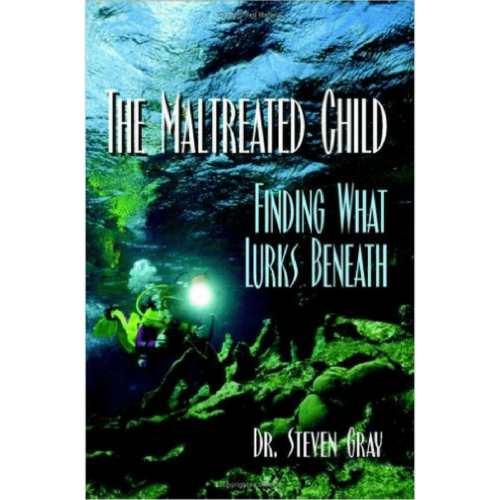 Dr. Steven Gray Parents who struggle to maintain their sanity while a troubled youth is in the home know the frustration and discouragement that can easily develop. These concerned parents take their youngster from doctor to doctor, counselor after counselor, yet never fully understand or find long-term help for the problems. However in his book, The Maltreated Child, Dr. Gray unravels for parents the complex world of the brain. He explores the underlying root causes that prompt adoptive/foster as well as biological youth to terrorize a home. The first priority in helping these young persons is to discover what is fueling the behavioral mayhem. Unless parents/teachers have an understanding of what is producing the seemingly irrational actions, it is extremely hard to find workable and practical solutions. Dr. Gray has been working with maltreated youth who face these difficulties for over two decades. He sees his job as helping parents discern the underlying causes of the young person’s behavior and providing answers specifically tailored for each child. In this book, the author blends his clinical expertise with his unique sense of humor to present down-in-the-trenches practical information for parents. Buy on Amazon
 -
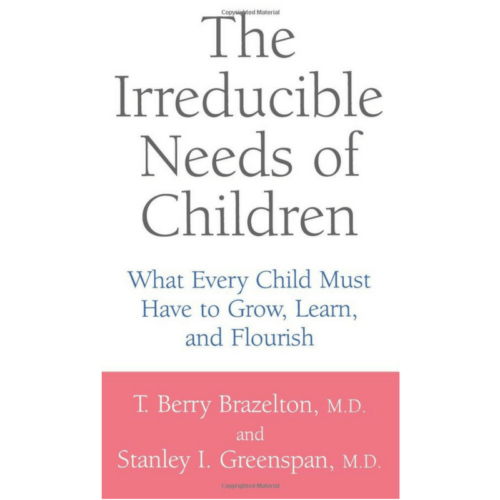 T. Berry Brazelton, M.D. & Stanley I. Greenspan, M.D. What do babies and young children really need? For the first time, two famed advocates for children cut through all the theories, platitudes, and controversies that surround parenting advice to define what every child must have in the first years of life. They lay out the seven irreducible needs of any child, in any society, and confront such thorny questions as: How much time do children need one-on-one with a parent? What is the effect of shifting caregivers, of custody arrangements? Why are we knowingly letting children fail in school? Nothing is off limits. This short, hard-hitting book, the fruit of decades of experience and caring, sounds a wake-up call for parents, teachers, judges, social workers, policy makers-anyone who cares about the welfare of children. A Merloyd Lawrence Book Buy on Amazon
 -
 Art Becker-Weidman This collection of transcripts from sessions by certified Dyadic Developmental Psychotherapists gives therapists, educators, and child welfare and residential treatment professionals a detailed understanding of how Dyadic Developmental Psychotherapy is used to help children who have a history of neglect, abuse, orphanage care, or other experiences that may interfere with the normal development of attachment between parent and child. The book begins with a description of DDP, its essential components, and the ways in which those components are used differentially in different phases of treatment. The transcripts that follow illustrate those components and their uses. They cover a diverse range of clients and families so that the reader can appreciate the depth and breadth of DDP. Both the editor and the therapists themselves provide analysis and commentary on the therapists' goals, impressions, and techniques. This book complements the treatment manual Dyadic Developmental Psychotherapy: Essential Methods and Practices, and will be useful in graduate courses on treatment, child welfare, family therapy, and child psychology. Buy on Amazon
 -
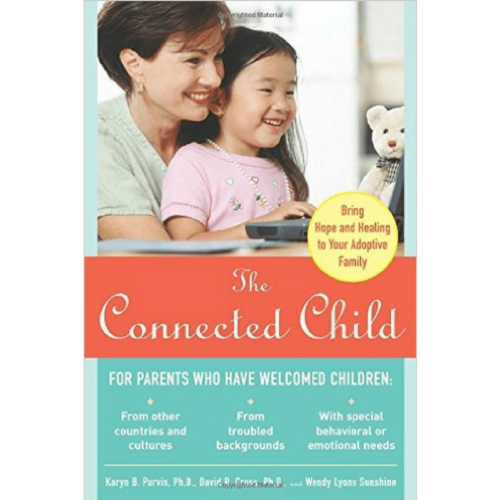 Karyn B. Purvis, David R. Cross & Wendy Lyons Sunshine The adoption of a child is always a joyous moment in the life of a family. Some adoptions, though, present unique challenges. Welcoming these children into your family--and addressing their special needs--requires care, consideration, and compassion. Written by two research psychologists specializing in adoption and attachment, The Connected Child will help you:
- Build bonds of affection and trust with your adopted child
- Effectively deal with any learning or behavioral disorders
- Discipline your child with love without making him or her feel threatened
-
 Here in a single accessible guide, is a comprehensive go-to resource on the foundational principles and treatment guidelines for doing attachment therapy. Based on the work of the Association for Treatment and Training in the Attachment of Children (ATTACh), a leading organization on attachment in child development, it provides all the nuts and bolts a clinician needs to be familiar with to provide effective, informed, attachment-focused treatment to children and families. Buy on Amazon
 -
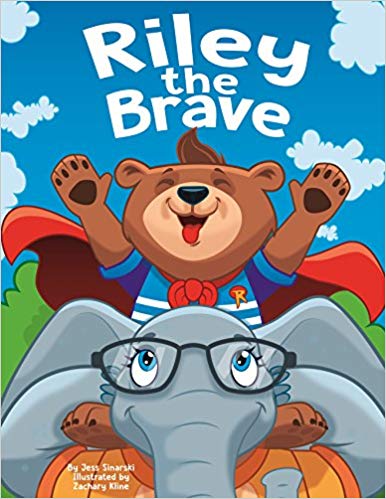 Riley the Brave is the story of a little bear with big feelings. Join this super-cool cub as he faces his fears with the animals who love him. Includes educational afterword for caring adults. "Big critters" can help the "cubs" in their lives as they read and re-read this playful and poignant children's book. Recommended for ages 3-103 WHAT IS IT? More than just a bright and engaging hardback picture book, RILEY THE BRAVE is a tool powered by the latest brain science to help those healing from Adverse Childhood Experiences (ACEs) and the parents, family, teachers, therapists and other caring adults in their lives. HOW DOES IT WORK? Through the power of story, parts of the brain blocked by shame, fear or sadness are reached. The story is accessible for all different kinds of families and helps those NOT impacted by trauma better understand their own big feelings as well as what their friends or classmates might be experiencing. WHAT IS INCLUDED IN THE AFTERWORD? Easy-to-understand brain science for parents and professionals. HOW IS RILEY THE BRAVE BEING USED? IN THE HOME: It has already become the favorite bedtime story of many - even babies can connect with the colorful images and engaging animals. It also eases conversations about big feelings and challenging behaviors. IN THE CLASSROOM: Fostering social-emotional learning and supporting a trauma-informed environment. It also opens conversations about different kinds of families and race in a non-threatening way. IN HEALTH CARE SETTINGS: Therapists in out-patient and in-patient settings are reporting profound responses to the story and break-through moments in treatment. Pediatricians are adding Riley the Brave to their resource libraries, especially with all the helpful extras available online. IN CHILD WELFARE ORGANIZATIONS: Riley the Brave is a perfect tool for training and supporting staff and parents involved with foster care and adoption. Buy on Amazon
 -
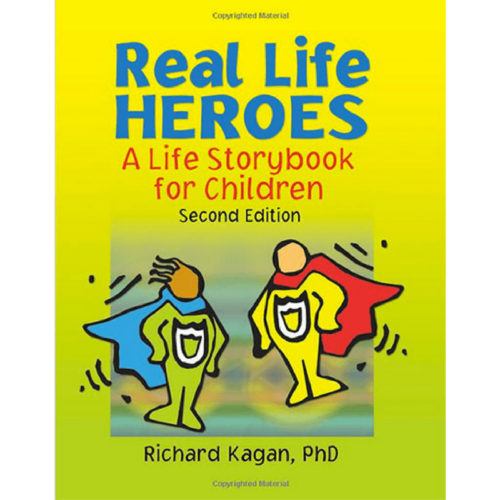 Richard Kagan Help children overcome the pain of trauma and develop a healthy sense of self Real Life Heroes: A Life Story Book for Children, Second Edition is the updated classic that helps children with traumatic stress move from painful or fractured memories to a more positive perspective, not by denying hardships, but by drawing strength from the supportive people in their lives. This innovative workbook uses a creative arts approach that encourages children to work with caring adults to develop autobiographies through a wide range of activities, including drawings, music, movies, and narrative. The results foster positive values and a sense of pride in children as they form a stronger bond with caring and committed adults and protection from adversity and stressors that exist in everyday life. Buy on Amazon
 -
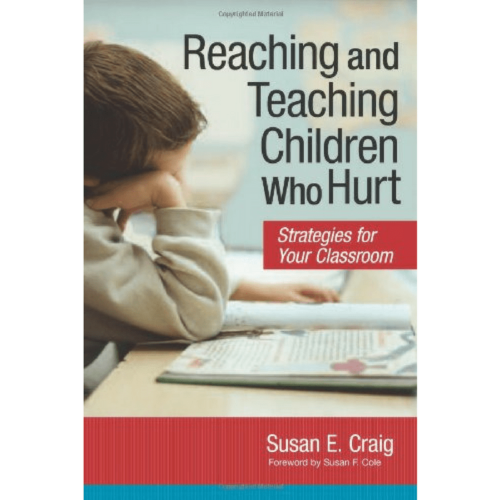 Susan E. Craig Each year hundreds of thousands of children in the United States experience trauma—such as abuse, neglect, or community violence—that creates tough obstacles to academic achievement and social success. Now there's a practical, strategy-filled book that shows educators how to reach and teach students exposed to trauma... Buy on Amazon
 -
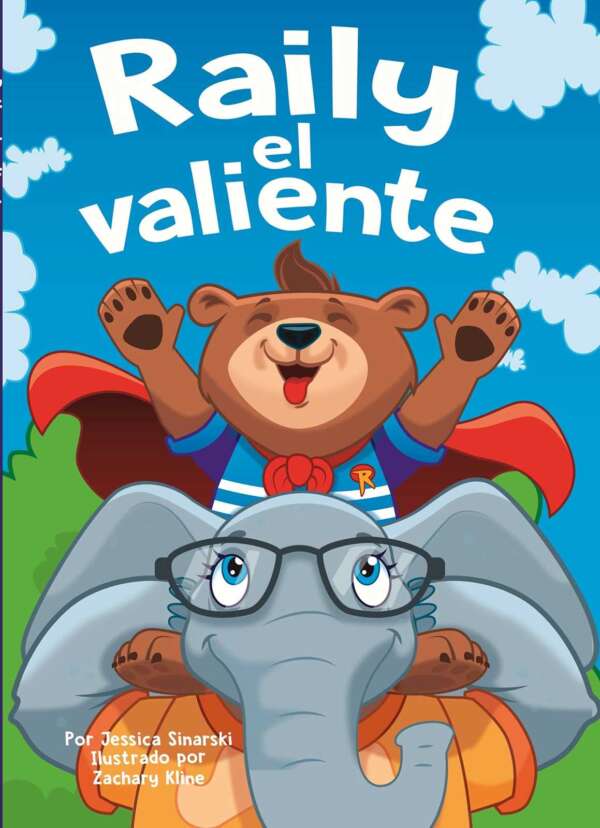 Raily el valiente es la historia de un pequeño osito con sentimientos grandes. Únase a este osito súper genial mientras que enfrenta sus miedos con los animales que lo aman. Incluye un epílogo educativo para adultos. "Criaturas grandes y buenas" pueden ayudar a los "ositos" en sus vidas mientras ellos leen una y otra vez este divertido y conmovedor libro para niños. Recomendado para edades de 3-103 años. --- ¿QUÉ ES ESTO? Más que solo un libro con dibujos brillante y atractivo, Riley el Valiente es una herramienta impulsada por las más modernas ciencias del cerebro para ayudar a aquellos que se recuperan de las experiencias adversas de la infancia y a los padres, familiares, maestros, terapeutas y otros adultos comprensivos en sus vidas. Buy on Amazon
 -
Training for Parents and Professionals
2 Sessions of Training Starts: Tuesday, June 13, 2017 at 7:30 pm Central ** after adding, click on View Cart to complete payment -
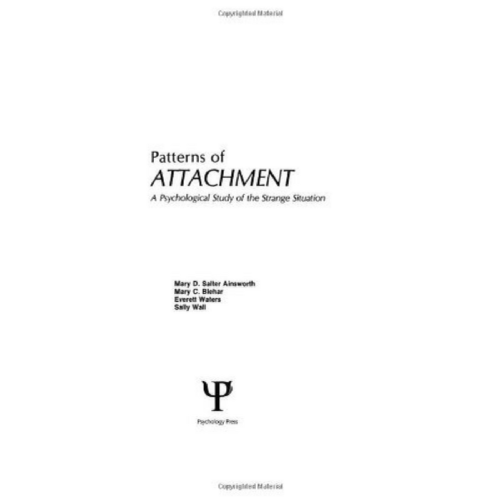 Mary D. Salter Ainsworth, Ph.D. Buy on Amazon
 -
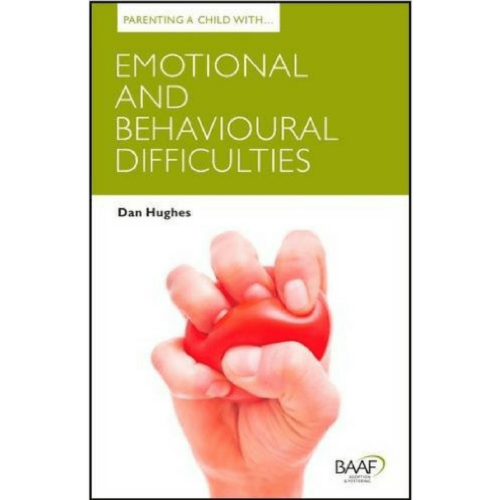 Daniel A Hughes This book explores emotional and behavioral difficulties, a common diagnosis in looked after children. Dan Hughes shares his expertise on the symptoms, prognosis and treatment for affected children, with valuable advice on how parents and carers can help children to improve their behavior and increase their self-esteem. Buy on Amazon
 -
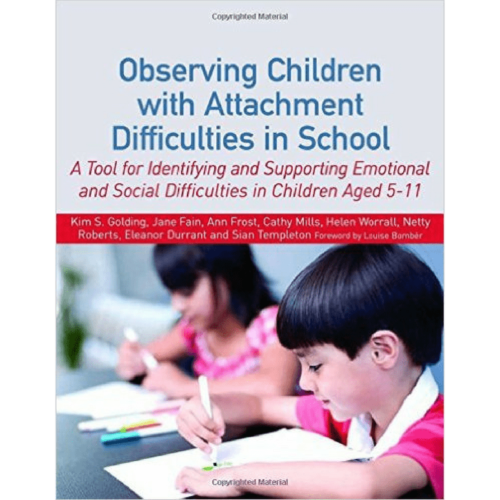 Helen Worrall, Sian Templeton, Netty Roberts, Ann Frost, Kim Golding, Eleanor Durrant, Jane Fain, and Cathy Mills Emotional difficulties in children aged 5-11 can display themselves in a range of different behaviours, and it is important for staff in schools to be able to identify and address these problems, and to provide appropriate help. This easy-to-use tool provides an observation checklist which enables staff to identify behavioural patterns in children with social and emotional difficulties, analyse the emotional difficulties underlying these behaviours and establish what kind of help and support the children need. Behavioural responses are categorised within clearly outlined topics, including behaviour, play and relationship with peers, attachment behaviours, emotional state in the classroom and attitude to attendance. Checklists and diagrams identify different 'styles' of relating (secure, avoidant, ambivalent), to help school staff who work with children and their families to respond appropriately to the individual needs of each child. A range of handouts include activities designed to provide emotional support, to focus and regulate behaviour and enable the child to develop important social and emotional skills. Suitable for use with children aged 5-11, this tool will be an invaluable resource for teachers, teaching assistants, learning support staff, school counsellors and educational psychologists. Buy on Amazon