-
 Daniel A Hughes A practical workbook companion to Attachment-Focused Family Therapy, the best-selling text that brought attachment into the realm of family therapy. Daniel A. Hughes, a leading practitioner in his field, specializes in an attachment-oriented approach to family therapy. Applying his model to children and families with a range of psychological problems, this book distills just the clinical strategies, offering practitioners a host of practical exercises and interventions on the core skills of his treatment program. An accompanying DVD demonstrates Hughes putting these strategies to work in a therapy session, revealing the undeniable power of attachment-focused family therapy to create a safe psychological space for families to repair attachment breaks and build the foundation for a healthier future. Buy on Amazon
 -
 Daniel A Hughes An expert clinician brings attachment theory into the realm of parenting skills. Attachment security and affect regulation have long been buzzwords in therapy circles, but many of these ideas―so integral to successful therapeutic work with kids and adolescents― have yet to be effectively translated to parenting practice itself. Moreover, as neuroscience reveals how the human brain is designed to work in good relationships, and how such relationships are central to healthy human development, the practical implications for the parent-child attachment relationship become even more apparent. Here, a leading attachment specialist with over 30 years of clinical experience brings the rich and comprehensive field of attachment theory and research from inside the therapy room to the outside, equipping therapists and caregivers with practical parenting skills and techniques rooted in proven therapeutic principles. A guide for all parents and a resource for all mental health clinicians and parent-educators who are searching for ways to effectively love, discipline, and communicate with children, this book presents the techniques and practices that are fundamental to optimal child development and family functioning―how to set limits, provide guidance, and manage the responsibilities and difficulties of daily life, while at the same time communicating safety, fun, joy, and love. Filled with valuable clinical vignettes and sample dialogues, Hughes shows how attachment-focused research can guide all those who care for children in their efforts to better raise them. Buy on Amazon
 -
 Daniel A Hughes This book shows how to work successfully with emotional and behavioral problems rooted in deficient early attachments. In particular, it addresses the emotional difficulties of many of the foster and adopted children living in our country who are unable to form secure attachments. Traditional interventions, which do not teach parents how to successfully engage the child, frequently do not provide the means by which the seriously damaged child can form the secure attachment that underlies behavioral change. Dr. Daniel Hughes maps out a treatment plan designed to help the child begin to experience and accept, from both the therapist and the parents, affective attunement that he or she should have received in the first few years of life. Hughes' approach includes: ―Using foster and adopted parents as co-therapists ―Teaching differentiation between old and new parents ―Overcoming the perception of discipline as abusive ―Framing misbehavior, discipline, conflicts, and parental authority as important aspects of a child's learning to trust. All children, at the core of their beings, need to be attached to someone who considers them to be very special and who is committed to providing for their ongoing care. Children who lose their birth parents desperately need such a relationship if they are to heal and grow. This book shows therapists how to facilitate this crucial bond. Buy on Amazon
 -
 Daniel A Hughes Building the Bonds of Attachment is the second edition of a critically and professionally acclaimed book for social workers, therapists, and parents who strive to assist children with reactive attachment disorder. This work is a composite case study of the developmental course of one child following years of abuse and neglect. Building the Bonds of Attachment focuses on both the specialized psychotherapy and parenting that is often necessary in facilitating a child's psychological development and attachment security. It develops a model for intervention by blending attachment theory and research, trauma theory, and the general principles of parenting, and child and family therapy. This book is a practical guide for the adult―whether professional or parent―who endeavors to help such children. The second edition of this widely popular book will present the many changes in the intervention model over the past 8 years. These include many changes in both the psychotherapist's and parent's interventions. The attachment history of the adults is made more relevant. There is greater congruence between attachment theory and research and the interventions being demonstrated as well as greater reference to this theory and research. Buy on Amazon
 -
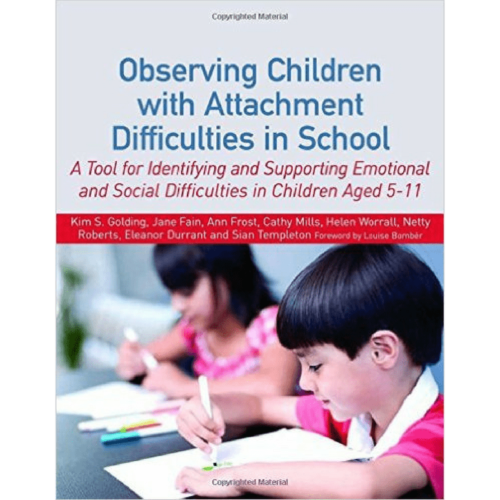 Helen Worrall, Sian Templeton, Netty Roberts, Ann Frost, Kim Golding, Eleanor Durrant, Jane Fain, and Cathy Mills Emotional difficulties in children aged 5-11 can display themselves in a range of different behaviours, and it is important for staff in schools to be able to identify and address these problems, and to provide appropriate help. This easy-to-use tool provides an observation checklist which enables staff to identify behavioural patterns in children with social and emotional difficulties, analyse the emotional difficulties underlying these behaviours and establish what kind of help and support the children need. Behavioural responses are categorised within clearly outlined topics, including behaviour, play and relationship with peers, attachment behaviours, emotional state in the classroom and attitude to attendance. Checklists and diagrams identify different 'styles' of relating (secure, avoidant, ambivalent), to help school staff who work with children and their families to respond appropriately to the individual needs of each child. A range of handouts include activities designed to provide emotional support, to focus and regulate behaviour and enable the child to develop important social and emotional skills. Suitable for use with children aged 5-11, this tool will be an invaluable resource for teachers, teaching assistants, learning support staff, school counsellors and educational psychologists. Buy on Amazon
 -
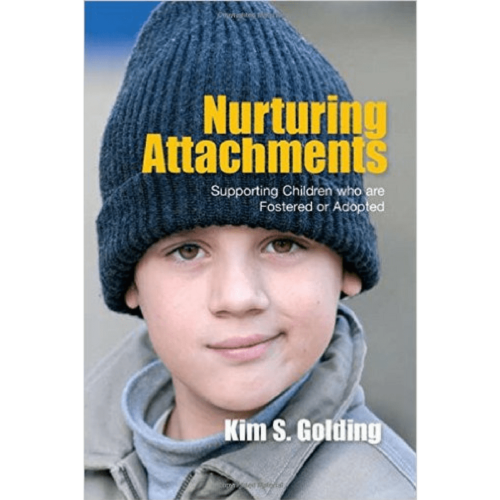 Kim S. Golding Nurturing Attachments combines the experience and wisdom of parents and carers with that of professionals to provide support and practical guidance for foster and adoptive parents looking after children with insecure attachment relationships. It gives an overview of attachment theory and a step-by-step model of parenting which provides the reader with a tried-and-tested framework for developing resilience and emotional growth. Featuring throughout are the stories of Catherine, Zoe, Marcus and Luke, four fictional children in foster care or adoptive homes, who are used to illustrate the ideas and strategies described. The book offers sound advice and provides exercises for parents and their children, as well as useful tools that supervising social workers can use both in individual support of carers as well as in training exercises. This is an essential guide for adoptive and foster parents, professionals including health and social care practitioners, clinical psychologists, child care professionals, and lecturers and students in this field. Buy on Amazon
 -
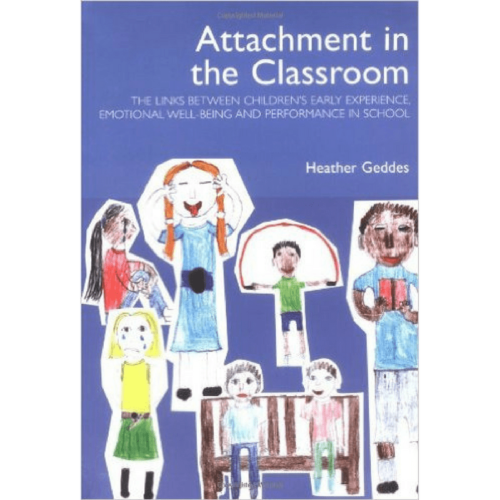 Dr. Heather Geddes Every day, teachers and other school staff have to deal with children who present challenging behavior during their learning process at school. This book combines the fundamental principles of attachment theory with teacher-based case studies and practical 'how to' interventions. Buy on Amazon
 -
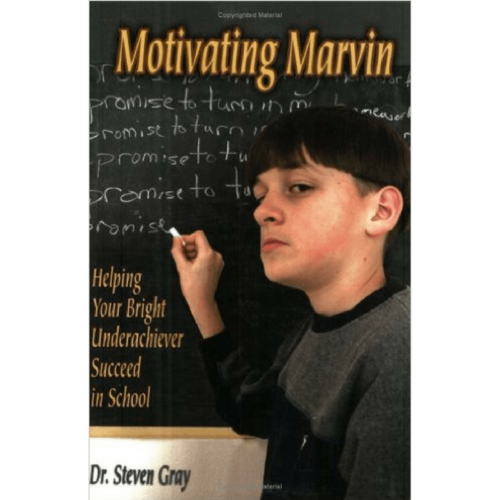 Dr. Steven Gray Motivating Marvin is all about helping your youngster succeed in school. So many students today fail to achieve their best within the academic setting. In fact, you might say we are in the middle of an educational underachievement epidemic. These young persons have the potential to do well - are academically capable - but time after time, they fail to do so. Why? And what can we do? Motivating Marvin is designed for parents and teachers who have these underachievers in their homes or classrooms. Dr. Gray describes some of the most common pitfalls that play into academic underachievement, and then offers parents proven strategies which can help motivate students to do their best in school. Dr. Gray covers everything from neuropsychologic factors to motivational "carrots," personality temperament to parenting practices. He helps parents understand the dynamics being played out in their homes and equips them to assist youth in an academic turnaround. As with his first book, Dr. Gray combines an entertaining and lively dialogue with the reader, emphasizing practical solutions. Buy on Amazon
 -
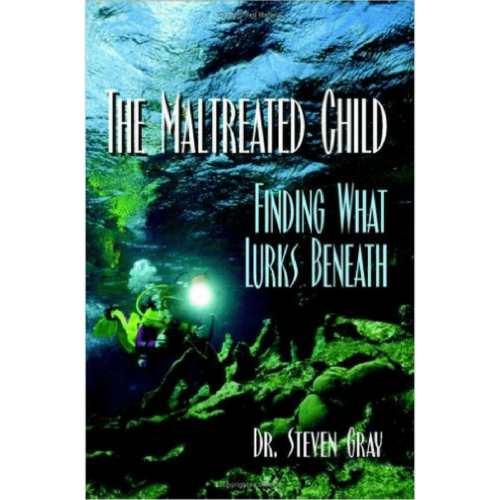 Dr. Steven Gray Parents who struggle to maintain their sanity while a troubled youth is in the home know the frustration and discouragement that can easily develop. These concerned parents take their youngster from doctor to doctor, counselor after counselor, yet never fully understand or find long-term help for the problems. However in his book, The Maltreated Child, Dr. Gray unravels for parents the complex world of the brain. He explores the underlying root causes that prompt adoptive/foster as well as biological youth to terrorize a home. The first priority in helping these young persons is to discover what is fueling the behavioral mayhem. Unless parents/teachers have an understanding of what is producing the seemingly irrational actions, it is extremely hard to find workable and practical solutions. Dr. Gray has been working with maltreated youth who face these difficulties for over two decades. He sees his job as helping parents discern the underlying causes of the young person’s behavior and providing answers specifically tailored for each child. In this book, the author blends his clinical expertise with his unique sense of humor to present down-in-the-trenches practical information for parents. Buy on Amazon
 -
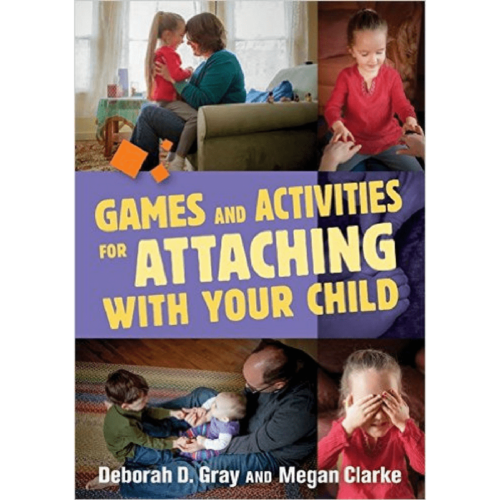 Deborah D. Gray and Megan Clarke Packed full of great ideas for fun games and activities, this book encourages positive attachments between a parent or carer and their child. When it comes to choosing the best games to play with children who have difficulties attaching, it is often hard to know how to play with a purpose. This book contains fun, age-appropriate games along with an explanation of why they matter. All the games included are designed for specific age ranges, from infants to older children, and help to address particular needs in children that are known to affect attachment, including fetal alcohol spectrum disorder. It provides an easy-to-understand description of attachment and reveals the crucial role that play has in forming attachments. Written for parents and carers, as well as for use by professionals, it is full of strategies to help build healthy attachments in children who have experienced early trauma. Buy on Amazon
 -
 Ana M. Gomez This is the first book to provide a wide range of leading-edge, step-by-step strategies for clinicians using EMDR therapy and adjunct approaches with children with severe dysregulation of the affective system. Written by an author internationally known for her innovative work with children, the book offers developmentally appropriate and advanced tools for using EMDR therapy in treating children with complex trauma, attachment wounds, dissociative tendencies, and compromised social engagement. The book also presents the theoretical framework for case conceptualization in EMDR therapy and in the use of the Adaptive Information Processing model with children. Principles and concepts derived from the Polyvagal Theory, affective neuroscience, attachment theory, interpersonal neurobiology, developmental neuroscience and the neurosequential model of therapeutics, which can greatly support and expand our understanding of the AIP model and complex trauma, are presented. The text also offers an original and pioneering EMDR therapy-based model to working with parents with abdicated caregiving systems. The model is directed at assisting parents in developing the ability for mentalization, insightfulness, and reflective capacities linked to infant's development of attachment security. A unique and innovative feature of this book is the masterful integration of strategies from other therapeutic approaches, such as Play therapy, Sandtray therapy, Sensorimotor psychotherapy, Theraplay and Internal Family Systems (IFS), into a comprehensive EMDR treatment maintaining appropriate adherence to the AIP model and EMDR therapy methodology. Buy on Amazon
 -
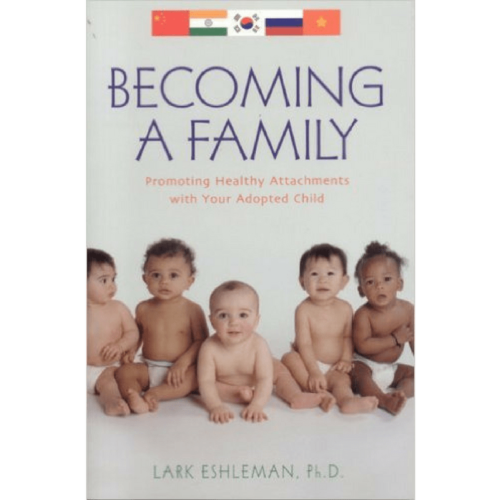 Lark Eshleman, PhD It is a story that moves us to tears. An American couple travels across the world to rescue a child from the hopelessness of a foreign orphanage, bringing their new son or daughter to a life of love and family. But does this transition always go smoothly? Adoptive parents hope their child will easily fit into the family and quickly become emotionally connected to the parents or siblings. But child psychologists and adoption experts say this connection is the most difficult aspect of international adoption. In countries where international adoptions are common-China, Russia, or Romania-orphanages commonly represent the available children to their new parents as healthy kids who just need a little love. In many cases, this is a gross misrepresentation. Children who spend time in institutionalized care may have experienced trauma, and therefore may not attach easily to their new family. Parents anxious to bring these children into their homes and their hearts struggle seriously with this issue. Although these children will eventually adapt in a healthy fashion, the road to emotional health and harmony can be a rocky one. Becoming a Family tackles this intricate issue head on. It provides parents with effective strategies for ensuring that their adopted child adjusts as quickly and seamlessly as possible. Practical and accessible, this book will help parents identify severe problems before the adoption, significantly reduce the risk of future difficulty, improve the damage already done to the child's otherwise normal, healthy development, and dramatically help enfold the child into a family ready to give love, security, and a new life. Buy on Amazon
 -
 John N. Briere & Cheryl B. Lanktree Treating Complex Trauma in Adolescents and Young Adults is the first empirically-validated, multi-component manual to guide practitioners and students in the treatment of multi-traumatized adolescents and young adults. Best-selling author, John Briere, and renowned clinician, Cheryl Lanktree, outline a hands-on, culturally-sensitive approach to the most challenging of young clients: those suffering from complex trauma histories, multiple symptoms, and, in many cases, involvement in a range of problematic behaviors. This model, Integrated Treatment of Complex Trauma for Adolescents (ITCT-A), integrates a series of approaches and techniques, which are adapted according to the youth's specific symptoms, culture, and age. Components include relationship-building, psychoeducation, affect regulation training, trigger identification, cognitive processing, titrated emotional processing, mindfulness training, collateral treatments with parents and families, group therapy, and system-level advocacy. Buy on Amazon
 -
 Karyn B. Purvis, David R. Cross & Wendy Lyons Sunshine The adoption of a child is always a joyous moment in the life of a family. Some adoptions, though, present unique challenges. Welcoming these children into your family--and addressing their special needs--requires care, consideration, and compassion. Written by two research psychologists specializing in adoption and attachment, The Connected Child will help you:
- Build bonds of affection and trust with your adopted child
- Effectively deal with any learning or behavioral disorders
- Discipline your child with love without making him or her feel threatened
-
 Art Becker-Weidman This collection of transcripts from sessions by certified Dyadic Developmental Psychotherapists gives therapists, educators, and child welfare and residential treatment professionals a detailed understanding of how Dyadic Developmental Psychotherapy is used to help children who have a history of neglect, abuse, orphanage care, or other experiences that may interfere with the normal development of attachment between parent and child. The book begins with a description of DDP, its essential components, and the ways in which those components are used differentially in different phases of treatment. The transcripts that follow illustrate those components and their uses. They cover a diverse range of clients and families so that the reader can appreciate the depth and breadth of DDP. Both the editor and the therapists themselves provide analysis and commentary on the therapists' goals, impressions, and techniques. This book complements the treatment manual Dyadic Developmental Psychotherapy: Essential Methods and Practices, and will be useful in graduate courses on treatment, child welfare, family therapy, and child psychology. Buy on Amazon
 -
 Art Becker-Weidman Grounded in attachment theory and trauma, Dyadic Developmental Psychotherapy (DDP) is an evidence-based, effective, and empirically validated treatment for complex trauma and disorders of attachment. This manual for the practice of DDP will give therapists, educators, and child welfare and residential treatment professionals the tools necessary to help children who have a history of neglect, abuse, orphanage care, or other experiences that may interfere with the normal development of attachment between parent and child. Becker-Weidman looks at the importance of a comprehensive and thorough assessment as the basis for treatment planning and explains in detail the main elements of DDP, including intersubjectivity, emotionally based dialogues, narratives, and co-regulation of emotions and meaning, as well as illustrating these elements through detailed case examples and dialogue. Dr. Becker-Weidman then looks at how the various principles, methods, and techniques of DDP are differentially used in each stage of treatment. A section on parenting outlines how therapists can train caregivers in attachment-facilitating parenting approaches. This book will serve as a treatment manual for DDP and will provide directly useful material for practicing therapists. In addition, the text will be useful in graduate courses on treatment, child welfare, family therapy, and child psychology. Buy on Amazon
 -
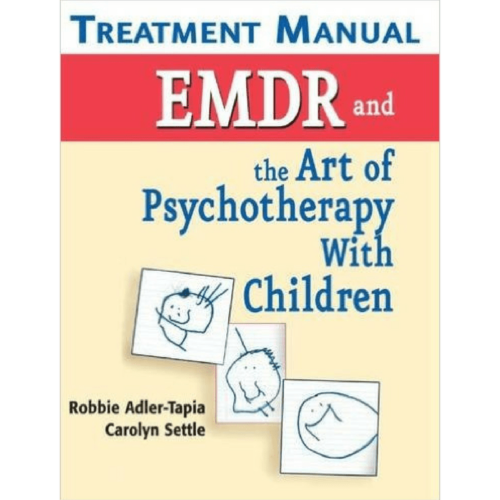 Robbie Adler-Tapia & Carolyn Settle This treatment manual provides a simple and practical way to use the EMDR scripts, protocols, and forms in psychotherapy with children and adolescents that are detailed in the book EMDR and the Art of Psychotherapy with Children. The manual was derived from the EMDR Fidelity Research Manual for children, which was created by these authors. By using a standard treatment protocol for providing EMDR psychotherapy for children and by conducting pre- and post-treatment assessments, therapists can also conduct their own study of treatment outcomes. In additional to contributing to research, the manual is beneficial to the therapist and the client in order to monitor treatment progress and outcomes. Buy on Amazon
 -
Attachment Training for Parents and Professionals
5 Session Training Starts: Tuesday, March 7, 2017 at 7:30 pm – 9 pm CST ** after adding, click on View Cart to complete payment -
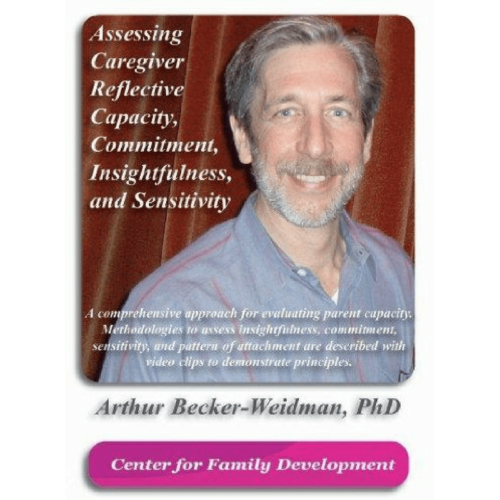 Arthur Becker-Weidman, PhD This two-DVD set (approximately three hours) explains how to assess children for Complex Trauma and disorders of attachment. The set contains:
- Introduction and overview of Complex Trauma and Disorders of Attachment
- Complex Post Traumatic Stress Disorder defined
- Effects of trauma on development
- Domains of impairment caused by trauma
- Differential diagnosis
- Video tape of children being assessed
- Useful tests and measures such as the Attachment Story Completion Test and others
- Complete PowerPoint Presentation slides.
-
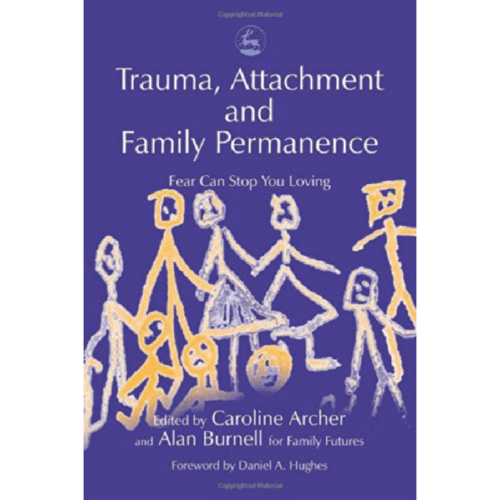 Caroline Archer Fostered and adopted children can present major challenges resulting from unresolved attachment issues and early traumatic experiences. In this much-needed book, the contributors provide a variety of complementary perspectives on the needs of these children and their families, focusing on ways of integrating attachment theory and developmental psychology into effective practice. Examining multiple aspects of work with children who are unable to live with their birth families, the book includes contributions on the assessment, preparation and support needs of children and families, attachment and the neurobiological effects of trauma, effective management of contact with birth families and developmental challenges in school settings. The use of creative arts therapies, alongside developmental reparenting strategies as part of a long-term attachment therapy 'package' are explored in some detail... Buy on Amazon
 -
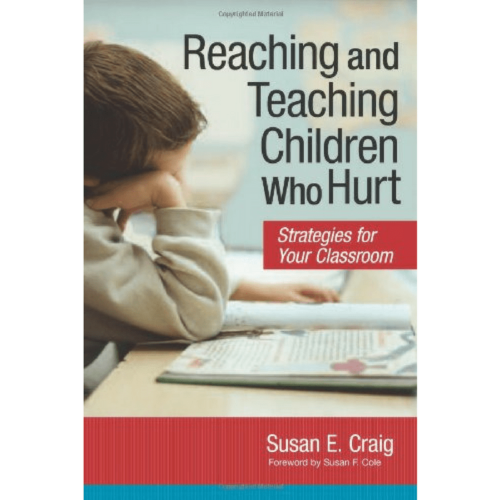 Susan E. Craig Each year hundreds of thousands of children in the United States experience trauma—such as abuse, neglect, or community violence—that creates tough obstacles to academic achievement and social success. Now there's a practical, strategy-filled book that shows educators how to reach and teach students exposed to trauma... Buy on Amazon
 -
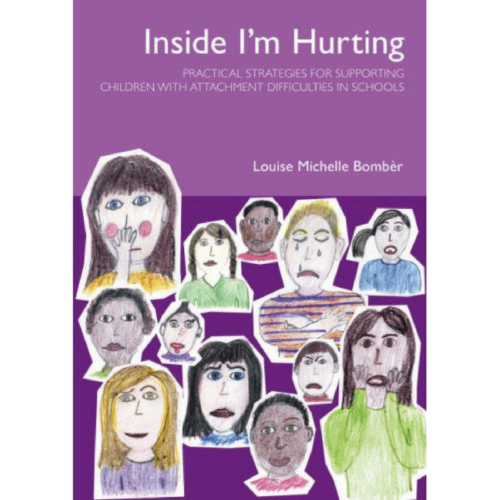
Practical Strategies for Supporting Children with Attachment Difficulties in Schools
Louise Michelle Bombier Inside I'm Hurting provides educational professionals with a much-needed classroom handbook of new strategies, practical tools and the confidence for supporting these children from an attachment perspective, thus promoting inclusion in the school system... Buy on Amazon -
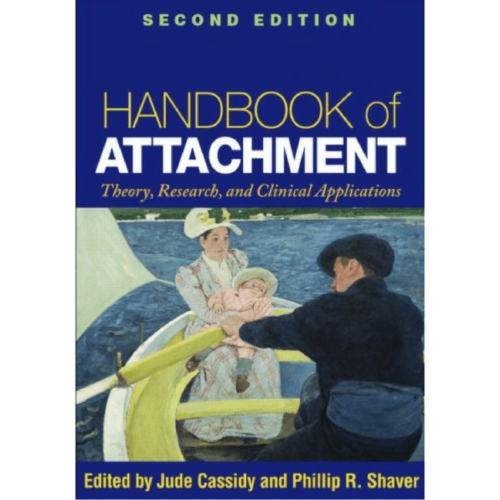 Jude Cassidy, Ph.D.; Phillip R. Shaver, Ph.D. From foremost authorities, this comprehensive work is more than just the standard reference on attachment-it has “become indispensable” in the field. Coverage includes the origins and development of attachment theory; biological and evolutionary perspectives; and the role of attachment processes in personality, relationships, and mental health across the lifespan. Buy on Amazon
 -
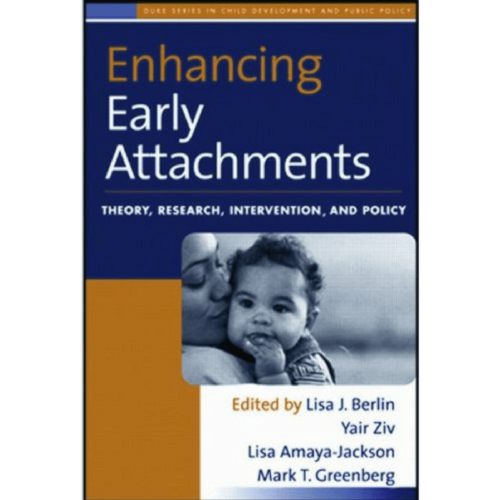 Edited by Lisa Berlin, Yair Ziv, Lisa Amaya-Jackson, Mark Greenberg Synthesizing the latest theory, research, and practices related to supporting early attachments, this volume provides a unique window into the major treatment and prevention approaches available today. Chapters address the theoretical and empirical bases of attachment interventions; explore the effects of attachment-related trauma and how they can be ameliorated; and describe a range of exemplary programs operating at the individual, family, and community levels. Throughout, the authors consider cross-cutting issues such as the core components of effective services and appropriate outcome measures for attachment interventions. Also discussed are policy implications, including how programs to enhance early child-caregiver relationships fit into broader health, social service, and early education systems. Buy on Amazon