-
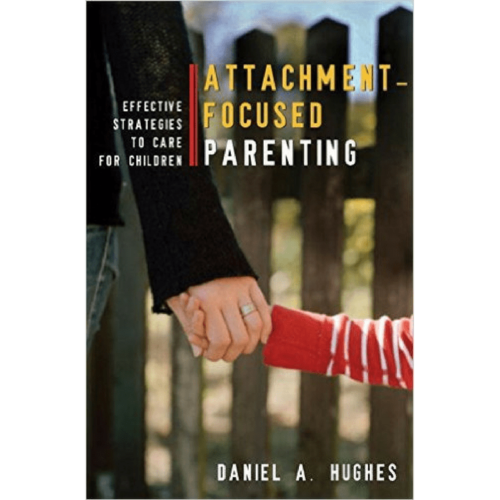 Daniel A Hughes An expert clinician brings attachment theory into the realm of parenting skills. Attachment security and affect regulation have long been buzzwords in therapy circles, but many of these ideas―so integral to successful therapeutic work with kids and adolescents― have yet to be effectively translated to parenting practice itself. Moreover, as neuroscience reveals how the human brain is designed to work in good relationships, and how such relationships are central to healthy human development, the practical implications for the parent-child attachment relationship become even more apparent. Here, a leading attachment specialist with over 30 years of clinical experience brings the rich and comprehensive field of attachment theory and research from inside the therapy room to the outside, equipping therapists and caregivers with practical parenting skills and techniques rooted in proven therapeutic principles. A guide for all parents and a resource for all mental health clinicians and parent-educators who are searching for ways to effectively love, discipline, and communicate with children, this book presents the techniques and practices that are fundamental to optimal child development and family functioning―how to set limits, provide guidance, and manage the responsibilities and difficulties of daily life, while at the same time communicating safety, fun, joy, and love. Filled with valuable clinical vignettes and sample dialogues, Hughes shows how attachment-focused research can guide all those who care for children in their efforts to better raise them. Buy on Amazon
 -
 Daniel A Hughes A practical workbook companion to Attachment-Focused Family Therapy, the best-selling text that brought attachment into the realm of family therapy. Daniel A. Hughes, a leading practitioner in his field, specializes in an attachment-oriented approach to family therapy. Applying his model to children and families with a range of psychological problems, this book distills just the clinical strategies, offering practitioners a host of practical exercises and interventions on the core skills of his treatment program. An accompanying DVD demonstrates Hughes putting these strategies to work in a therapy session, revealing the undeniable power of attachment-focused family therapy to create a safe psychological space for families to repair attachment breaks and build the foundation for a healthier future. Buy on Amazon
 -
 Daniel A Hughes This book explores emotional and behavioral difficulties, a common diagnosis in looked after children. Dan Hughes shares his expertise on the symptoms, prognosis and treatment for affected children, with valuable advice on how parents and carers can help children to improve their behavior and increase their self-esteem. Buy on Amazon
 -
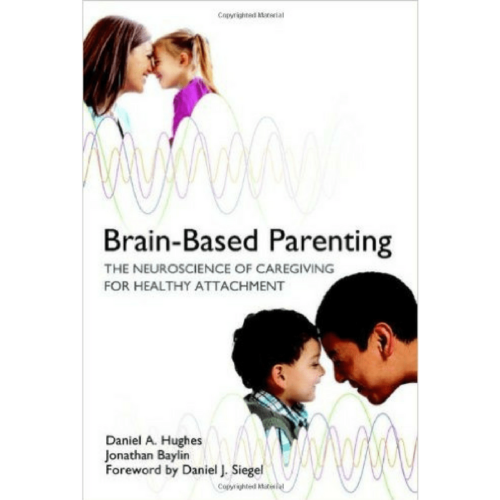 Daniel A Hughes & Jonathan Baylin An attachment specialist and a clinical psychologist with neurobiology expertise team up to explore the brain science behind parenting. In this groundbreaking exploration of the brain mechanisms behind healthy caregiving, attachment specialist Daniel A. Hughes and veteran clinical psychologist Jonathan Baylin guide readers through the intricate web of neuronal processes, hormones, and chemicals that drive―and sometimes thwart―our caregiving impulses, uncovering the mysteries of the parental brain. The biggest challenge to parents, Hughes and Baylin explain, is learning how to regulate emotions that arise―feeling them deeply and honestly while staying grounded and aware enough to preserve the parent–child relationship. Stress, which can lead to “blocked” or dysfunctional care, can impede our brain’s inherent caregiving processes and negatively impact our ability to do this. While the parent–child relationship can generate deep empathy and the intense motivation to care for our children, it can also trigger self-defensive feelings rooted in our early attachment relationships, and give rise to “unparental” impulses. Learning to be a “good parent” is contingent upon learning how to manage this stress, understand its brain-based cues, and respond in a way that will set the brain back on track. To this end, Hughes and Baylin define five major “systems” of caregiving as they’re linked to the brain, explaining how they operate when parenting is strong and what happens when good parenting is compromised or “blocked.” With this awareness, we learn how to approach kids with renewed playfulness, acceptance, curiosity, and empathy, re-regulate our caregiving systems, foster deeper social engagement, and facilitate our children’s development. Infused with clinical insight, illuminating case examples, and helpful illustrations, Brain-Based Parenting brings the science of caregiving to light for the first time. Far from just managing our children’s behavior, we can develop our “parenting brains,” and with a better understanding of the neurobiological roots of our feelings and our own attachment histories, we can transform a fraught parent-child relationship into an open, regulated, and loving one. Buy on Amazon
 -
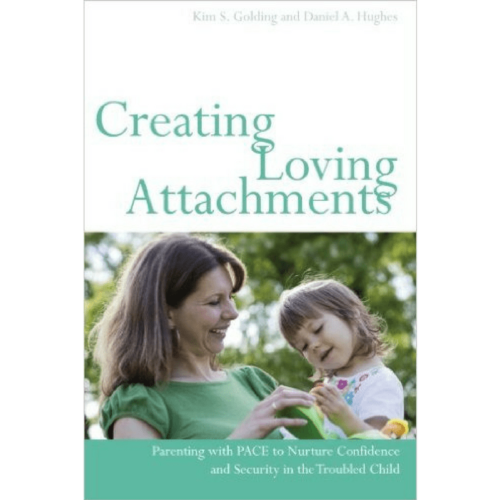 Kim S. Golding & Daniel A Hughes All children need love, but for troubled children, a loving home is not always enough. Children who have experienced trauma need to be parented in a special way that helps them feel safe and secure, builds attachments and allows them to heal. Playfulness, acceptance, curiosity and empathy (PACE) are four valuable elements of parenting that, combined with love, can help children to feel confident and secure. This book shows why these elements are so important to a child's development, and demonstrates to parents and carers how they can incorporate them into their day-to-day parenting. Real life examples and typical dialogues between parents and children illustrate how this can be done in everyday life, and simple stories highlight the ideas behind each element of PACE. This positive book will help parents and carers understand how parenting with love and PACE is invaluable to a child's development, and will guide them through using this parenting attitude to help their child feel happy, confident and secure. Buy on Amazon
 -
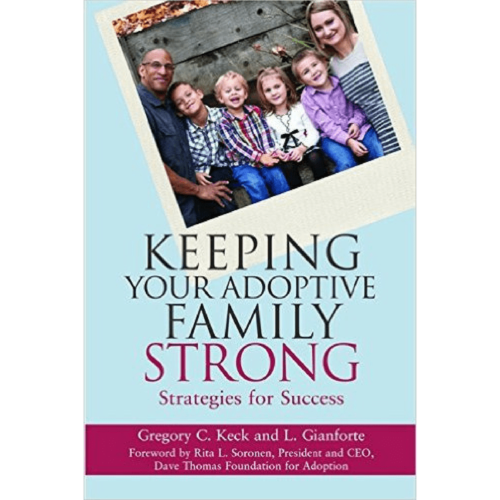 Gregory C. Keck and L. Gianforte Welcoming a new child into the home through adoption is a life-altering experience -- for the child, the parents, and everyone else in the family. Expectations and realities often differ dramatically, and adjusting to the change can be difficult and emotionally painful. Since the majority of children available for adoption today are in the system as the result of abuse and neglect, parents must acknowledge the fact they these young innocents will carry their trauma with them into their new homes. A willingness to address the not-so-easy, didn't-see-that-coming aspects of adoption is the first step toward building a strong family. A valuable resource for parents and professionals, this book provides useful strategies for facing the challenges posed by adopted children. The inclusion of real stories from real people adds heart and encouragement, offering hope for the future of the entire family. Buy on Amazon
 -
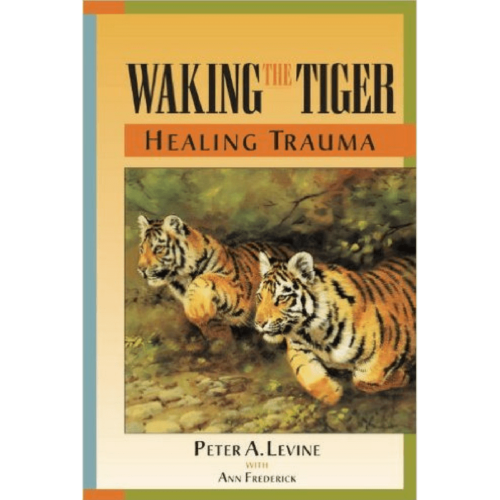 Peter A. Levine with Ann Frederick Nature's Lessons in Healing Trauma... Waking the Tiger offers a new and hopeful vision of trauma. It views the human animal as a unique being, endowed with an instinctual capacity. It asks and answers an intriguing question: why are animals in the wild, though threatened routinely, rarely traumatized? By understanding the dynamics that make wild animals virtually immune to traumatic symptoms, the mystery of human trauma is revealed. Waking the Tiger normalizes the symptoms of trauma and the steps needed to heal them. People are often traumatized by seemingly ordinary experiences. The reader is taken on a guided tour of the subtle, yet powerful impulses that govern our responses to overwhelming life events. To do this, it employs a series of exercises that help us focus on bodily sensations. Through heightened awareness of these sensations trauma can be healed. Buy on Amazon
 -
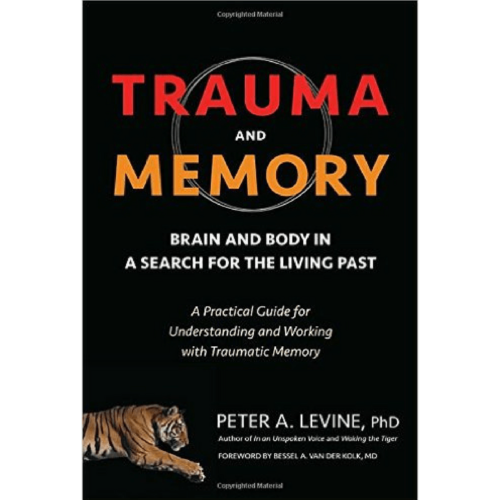 Peter A Levine In Trauma and Memory, bestselling author Dr. Peter Levine (creator of the Somatic Experiencing approach) tackles one of the most difficult and controversial questions of PTSD/trauma therapy: Can we trust our memories? While some argue that traumatic memories are unreliable and not useful, others insist that we absolutely must rely on memory to make sense of past experience. Building on his 45 years of successful treatment of trauma and utilizing case studies from his own practice, Dr. Levine suggests that there are elements of truth in both camps. While acknowledging that memory can be trusted, he argues that the only truly useful memories are those that might initially seem to be the least reliable: memories stored in the body and not necessarily accessible by our conscious mind. While much work has been done in the field of trauma studies to address "explicit" traumatic memories in the brain (such as intrusive thoughts or flashbacks), much less attention has been paid to how the body itself stores "implicit" memory, and how much of what we think of as "memory" actually comes to us through our (often unconsciously accessed) felt sense. By learning how to better understand this complex interplay of past and present, brain and body, we can adjust our relationship to past trauma and move into a more balanced, relaxed state of being. Written for trauma sufferers as well as mental health care practitioners, Trauma and Memory is a groundbreaking look at how memory is constructed and how influential memories are on our present state of being. Buy on Amazon
 -
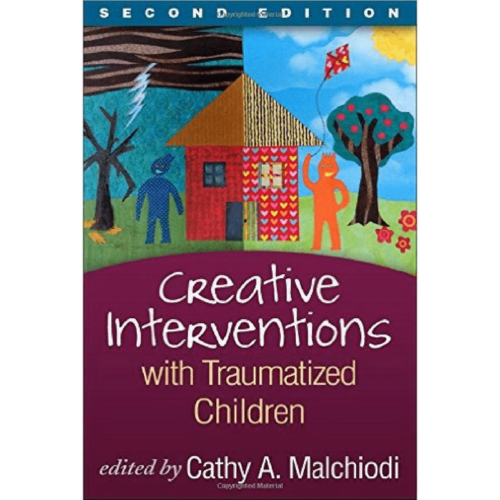 Edited by Cathy A Malchiodi A trusted, bestselling resource, this volume demonstrates a range of creative approaches for facilitating children's emotional reparation and recovery from trauma. Experts in play, art, music, movement, and drama therapy, as well as bibliotherapy, describe step-by-step strategies for working with children, families, and groups. Rich with case material and artwork, the book is both practical and user-friendly. Specific types of stressful experiences include parental loss, child abuse, family violence, bullying, and mass trauma. Important developments in neurobiology, self-regulation, and resilience and post-traumatic growth are highlighted in this substantial revision. Buy on Amazon
 -
 Arthur G. Mones In Transforming Troubled Children, Teens, and Their Families: An Internal Family Systems Model for Healing, Dr. Mones presents the first comprehensive application of the Internal Family Systems (IFS) Therapy model for work with youngsters and their families. This model centers diagnosis and treatment around the concept of the Functional Hypothesis, which views symptoms as adaptive and survivalbased when viewed in multiple contexts. The book provides a map to help clinicians understand a child’s problems amidst the reactivity of parents and siblings, and to formulate effective treatment strategies that flow directly from this understanding. This is a nonpathologizing systems and contextual approach that brings forward the natural healing capacity within clients. Dr. Mones also shows how a therapist can open the emotional system of a family so that parents can let go of their agendas with their children and interact in a loving, healthy, Self-led way. This integrative MetaModel combines wisdom from Psychodynamic, Structural, Bowenian, Strategic, Sensorimotor, and Solution-Focused models interwoven with IFS Therapy. A glossary of terms is provided to help readers with concepts unique to IFS. Unique to this approach is the emphasis on shifting back and forth between intrapsychic and relational levels of experience. Therapy vignettes are explored to help therapists address issues such as trauma, anxiety, depression, somatization, oppositional and self-destructive behavior in children, along with undercurrents of attachment injury. Two detailed cases are followed over a full course of treatment. A section on Frequently Asked Questions explores work with families of separation and divorce, resistance, the trajectory of treatment, dealing with anger, linking to twelve-step programs, and much more. This is an ideal book for any therapist in quest of understanding the essence of healing and seeking therapeutic strategies applied within a compassionate framework. Buy on Amazon
 -
Training for Parents and Professionals
2 Sessions of Training Starts: Tuesday, June 13, 2017 at 7:30 pm Central ** after adding, click on View Cart to complete payment -
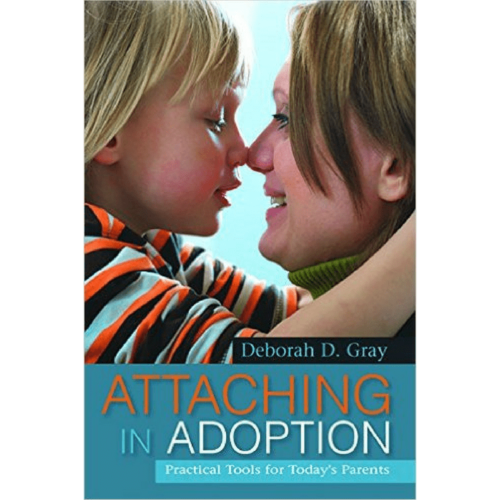 Attaching in Adoption is a comprehensive guide for prospective and actual adoptive parents on how to understand and care for their adopted child and promote healthy attachment. This classic text provides practical parenting strategies designed to enhance children's happiness and emotional health. It explains what attachment is, how grief and trauma can affect children's emotional development, and how to improve attachment, respect, cooperation and trust. Parenting techniques are matched to children's emotional needs and stages, and checklists are included to help parents assess how their child is doing at each developmental stage. The book covers a wide range of issues including international adoption, Fetal Alcohol Spectrum Disorder, and learning disabilities, and combines sound theory and direct advice with case examples throughout. This book is a must-read for anyone interested in adoption and for all adoptive families. It will also be a valuable resource for adoption professionals. Buy on Amazon